
Undergoing major surgery can be an overwhelming experience, not just physically but emotionally. Seniors often anticipate relief or improvement, but the recovery process may trigger unexpected mood changes, anxiety, or sadness. These emotional responses can interfere with rehabilitation, daily functioning, and overall wellbeing. Recovery is influenced by many factors, including the type of surgery, pain levels, physical limitations, and the individual’s prior mental health status. Understanding the psychological impact of surgery helps seniors and their caregivers navigate these challenges more effectively. Emotional awareness and early intervention are key to supporting a healthier recovery journey.
How Home Care Provides Support after Surgery
Home care plays a vital role in helping seniors recover emotionally and physically after major surgery. A professional caregiver can monitor vital signs, assist with medication reminders, and provide companionship to reduce feelings of isolation or depression. Services often include meal preparation, mobility assistance, and emotional support, which are crucial during the delicate post-operative period. Seniors receiving Home Care Fort Lauderdale show faster recovery rates and report better mental wellbeing. Families also benefit, as caregivers can manage daily routines and ensure adherence to recovery plans. Choosing the right home care service can significantly enhance both mental and physical health.
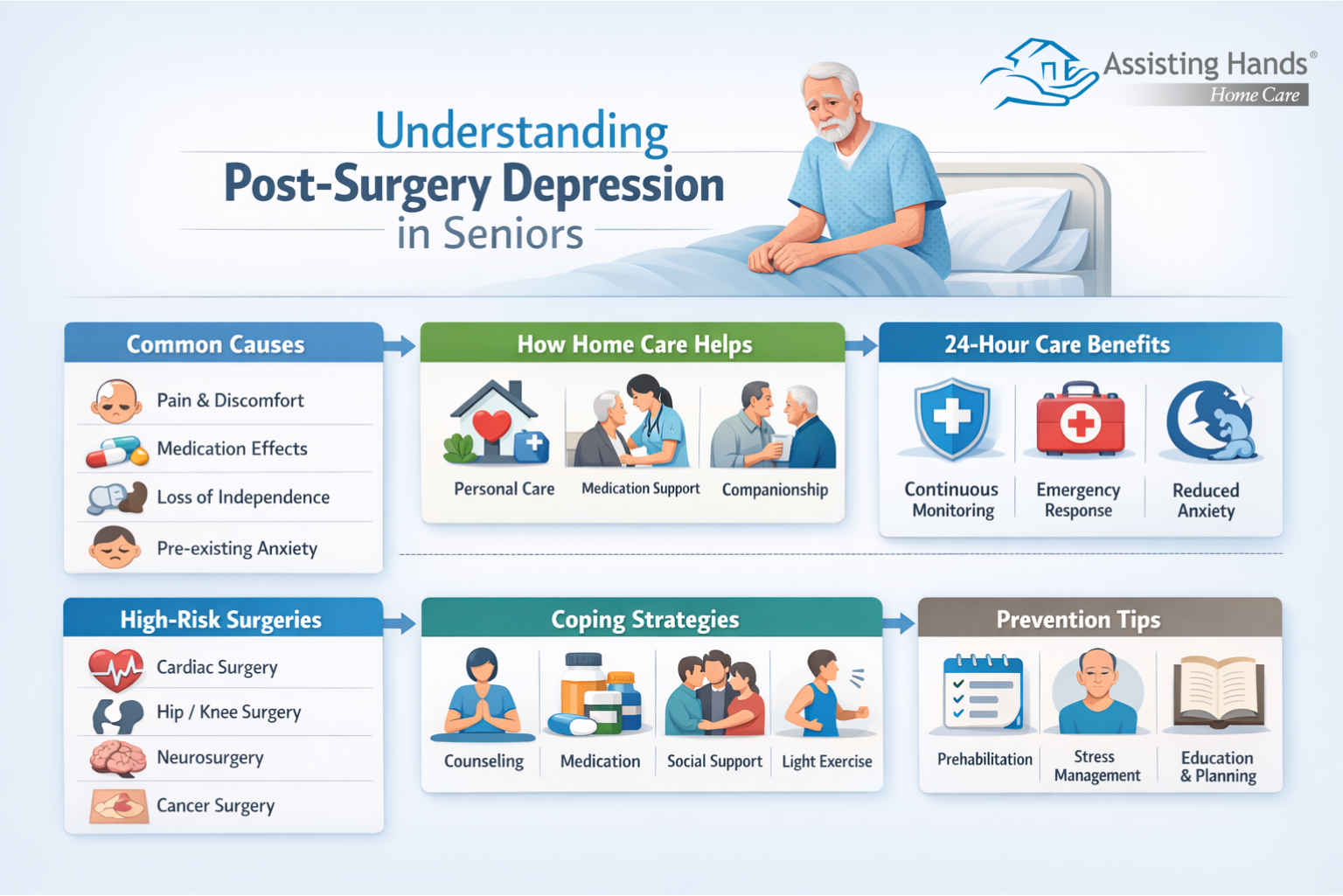
How Home Care Service Helps in Post-Surgery Care
Home care services are a crucial part of supporting senior after major surgery. Professional caregivers provide personalized assistance with mobility, medication reminders, and daily activities, ensuring seniors can recover safely at home. This support not only prevents post-surgery depression but also promotes faster mental recovery after surgery by offering consistent emotional reassurance and companionship. Caregivers can monitor vital signs, assist with wound care, and help seniors follow rehabilitation plans. Families also benefit, as home care services reduce stress and ensure continuity of care. Choosing the right home care provider enhances overall surgical recovery, manages depression, and boosts post-operative wellbeing.
Understanding 24-Hour Care and Its Benefits
Certain individuals recovering from major surgeries may require 24-hour care, especially those with limited mobility or high-risk complications. Around-the-clock supervision ensures timely medication reminders, prevents falls, and allows for immediate response to emergencies. 24-hour care also addresses mental health concerns, as continuous support reduces feelings of loneliness and anxiety. Seniors experience better emotional wellbeing when they have constant professional assistance. For families, it provides peace of mind, knowing their loved one is closely monitored. Integrating 24-hour care can be particularly beneficial for individuals recovering from cardiac, orthopedic, or neurological surgeries.
Common Causes of Post-Surgery Depression
Several factors contribute to postoperative depression, including:
- Pain and discomfort – Persistent pain can affect mood and motivation.
- Medication side effects – Some painkillers or anesthesia can trigger mood swings.
- Surgical trauma – Physical stress on the body can impact brain chemistry.
- Lifestyle disruptions – Reduced independence may cause frustration or sadness.
- Pre-existing mental health conditions – Anxiety or depression before surgery increases risks.
These factors, individually or combined, can result in mood changes that seniors need to recognize and address promptly following surgery.
The Role of Anesthesia and Medications in Mood Changes
Anesthesia and post-operative medications can affect neurotransmitters in the brain, potentially leading to emotional distress after surgery. Certain pain medications may cause fatigue, confusion, or irritability, while anesthesia can temporarily alter cognitive functions. Understanding these effects helps seniors differentiate between normal recovery mood swings and clinical depression. Open communication with healthcare providers ensures safe medication management and minimizes mental health risks. Seniors are encouraged to report mood changes or anxiety to their caregivers or doctors early, allowing timely intervention and support for mental health surgery recovery.
Surgeries with Higher Risk of Depression
Not all surgeries carry the same psychological risk. Studies indicate a higher incidence of depression after:
| Surgery Type | Risk Level | Notes |
| Cardiac surgery | High | Emotional stress due to life-threatening conditions |
| Orthopedic surgery (hip/knee) | Medium-High | Mobility limitations affect independence |
| Neurological surgery | High | Cognitive changes contribute to anxiety |
| Major abdominal surgery | Medium | Postoperative pain and lifestyle disruption |
| Cancer-related surgery | High | Emotional impact of diagnosis and recovery |
Recognizing high-risk procedures enables early post-surgery anxiety management and tailored support.
Personal Care Strategies for Emotional Recovery
Personal care is crucial for emotional recovery after major surgery. Maintaining daily hygiene, performing mobility exercises, and following structured routines help seniors regain a sense of normalcy and independence. Caregivers play a vital role by providing guidance, encouragement, and emotional support, which can significantly reduce feelings of post-surgery depression or anxiety. Incorporating relaxation techniques, such as meditation or deep-breathing exercises, helps seniors manage stress and boosts overall mood. A consistent personal care routine fosters confidence, aids emotional healing after surgery, and ensures seniors remain actively engaged in their physical and mental recovery.
Recognizing Symptoms vs. Normal Mood Changes
After surgery, it’s normal to experience temporary mood fluctuations, but recognizing symptoms of clinical depression is important. Persistent sadness, loss of interest in activities, sleep disturbances, and appetite changes can signal more serious issues. Seniors should also be aware of feelings of hopelessness or difficulty concentrating, as these may require professional intervention. By distinguishing between natural emotional ups and downs and significant mental stress surgery indicators, caregivers and healthcare providers can respond promptly. Early recognition allows for effective depression prevention strategies, boosting both emotional wellbeing and rehabilitation outcomes.
Prevention and Prehabilitation for Mental Health
Prehabilitation involves preparing mentally before surgery to reduce the risk of postoperative depression. Education about the surgical procedure, setting realistic expectations, and practicing stress-management techniques like meditation or breathing exercises can enhance emotional recovery after surgery. Engaging family and caregivers in the pre-surgery planning process provides additional support and reassurance. Seniors who practice prehabilitation are better equipped to handle post-operative challenges, adhere to therapy schedules, and maintain a positive mindset. Proactive mental health preparation not only minimizes postoperative mental health issues but also contributes to faster overall mental recovery after surgery.
Effective Treatment and Coping Strategies after Surgery
Managing the psychological impact of surgery requires a combination of strategies. Counseling or psychotherapy, when recommended, can guide coping with stress and mood changes. Medications prescribed by healthcare providers may stabilize mood for those experiencing significant depressive symptoms. Social support from family, friends, and professional caregivers enhances emotional resilience, while structured daily routines and light physical activity contribute to overall mental wellbeing after surgery. Seniors and families can also benefit from selecting a home care agency that offers experienced caregivers to assist with daily routines, medication reminders, and emotional support, ensuring effective surgery recovery, mental progress, and sustained emotional healing.
The Long-Term Impact of Post-Surgical Depression on Recovery
Untreated postsurgical depression can slow physical recovery, reduce adherence to rehabilitation, and increase hospital readmission risk. It can also lead to chronic mental health recovery challenges, affecting sleep, appetite, and emotional wellbeing. Regular follow-ups with healthcare providers, consistent personal care, and ongoing support from caregivers can mitigate these long-term effects. Seniors benefit from combining medical, emotional, and social interventions to maintain a positive trajectory in both surgery recovery and mental and emotional health.
Frequently Asked Questions
Can post-surgery depression affect recovery speed?
+
Yes, those experiencing postsurgical depression may have slower physical recovery due to reduced motivation, fatigue, and lower adherence to rehabilitation exercises.
How soon after surgery can depression symptoms appear?+
Symptoms can appear within days to weeks after surgery, especially if pain, limited mobility, or medication side effects are present.
Is postoperative depression treatable at home?+
Yes, with home care, emotional support, counseling, and proper medication management, seniors can recover effectively at home.
When should I consult a doctor about post-surgery mood changes?+
If mood changes persist for more than two weeks, interfere with daily activities, or include severe anxiety or sadness, medical consultation is recommended.
Can prehabilitation reduce postsurgical depression risk?+
Yes, mental preparation, education, stress management, and family support before surgery can significantly lower the likelihood of depression after surgery.