Blog

By Jonathan White, 9:00 pm on January 5, 2024

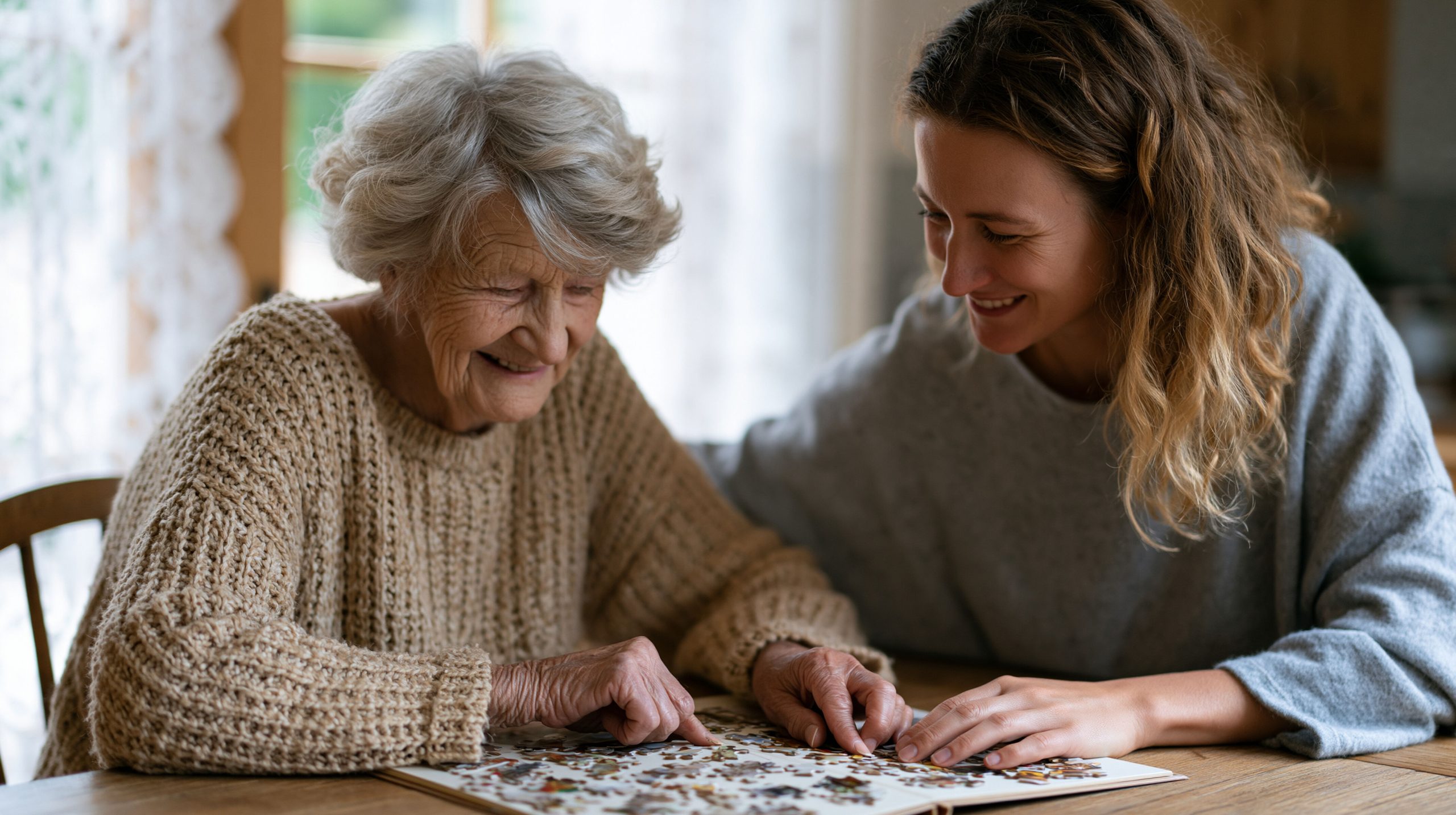
A large number of stroke survivors develop memory issues that affect the recovery process and their daily lives. However, with high-quality care and stimulating activities such as brain games, your elderly parent can strengthen his or her memory after a stroke. Below you’ll find some fun memory-enhancing tasks and explanations of how each game is appropriate for a stroke survivor.…

By Jonathan White, 9:00 am on January 5, 2024

Many people think being irritable, frequently forgetting things, experiencing confusion, and being clumsy are a normal part of aging. However, research indicates this isn’t the case. These symptoms are often caused by a mental illness. Being aware of these four common mental illnesses can help your senior loved one receive a proper diagnosis.    1. Alzheimer’s Disease Alzheimer’s disease, a…

By Jonathan White, 9:00 am on January 4, 2024

Receiving the news your senior loved one has cancer can be painful. The shock may initially cause confusion, and your loved one may feel fear and uncertainty. However, there are various ways you can offer your loved one support throughout the cancer treatment and recovery processes.   1. Communicate Maintain open and honest communication with your loved one, physicians, and…

By Jonathan White, 9:00 am on January 3, 2024

Caregivers are often warned about burnout, but it’s normal to think it could never happen to you. After all, you love your aging parent, and you’ve always been known for taking charge of any situation. However, caregiver burnout can sneak up on you, and it’s possible you lack the same energy and sense of joy you had before. When burnout…

By Jonathan White, 9:00 am on January 2, 2024

When you’re a family caregiver, there may be times when you’ll be called on to make legal, financial, and medical decisions on behalf of your senior loved one. Having the right legal documents on hand can prevent unexpected roadblocks during already stressful situations. The following are some essential documents every family caregiver should have on file. 1. HIPAA Authorization The…

By Jonathan White, 9:00 am on January 1, 2024

Baby boomers are leading the growing trend toward aging in place, which enables seniors to live in their own homes rather than moving into nursing homes or assisted living facilities. According to AARP, 90 percent of older adults would prefer to live in their own homes as they age. The main drive behind this trend is the fact that many…

By Jonathan White, 9:00 am on December 18, 2023

When seniors are confined to bed for any period of time, they’re at risk for developing bedsores. These sores are uncomfortable, and when they become severe, they can lead to serious complications, such as bacterial infections. For this reason, bedsore prevention should be an important aspect of any care plan.    Schedule Regular Repositioning Bedsores are most often caused by…

By Jonathan White, 9:00 am on December 4, 2023

Alzheimer’s disease (AD) disproportionately affects women. More than 65 percent of people living with AD are women, and most Alzheimer’s caregivers are also women. Conventional wisdom has long held that women are more susceptible to AD because they tend to live longer, but a growing body of research is showing this certainly isn’t the only factor that makes women more…

By Jonathan White, 9:00 am on November 20, 2023

Statistics indicate up to 88 percent of older adults experience chronic pain. The natural aging process commonly causes weakening of the musculoskeletal system and leads to conditions that cause pain. Various medical conditions are also causative factors. There are a number of methods seniors can consider to address their pain.    Take Medications Prescription and over-the-counter analgesic medications are commonly…

By Jonathan White, 9:00 am on November 6, 2023

Anyone caring for a parent with dementia knows the moment. Your dad is sure he has to get to work. He’s putting on his shoes and getting upset that nobody will drive him. Telling him he retired twenty years ago doesn’t help. It usually makes things worse. That’s why so many families look for useful distraction techniques for dementia caregivers.…