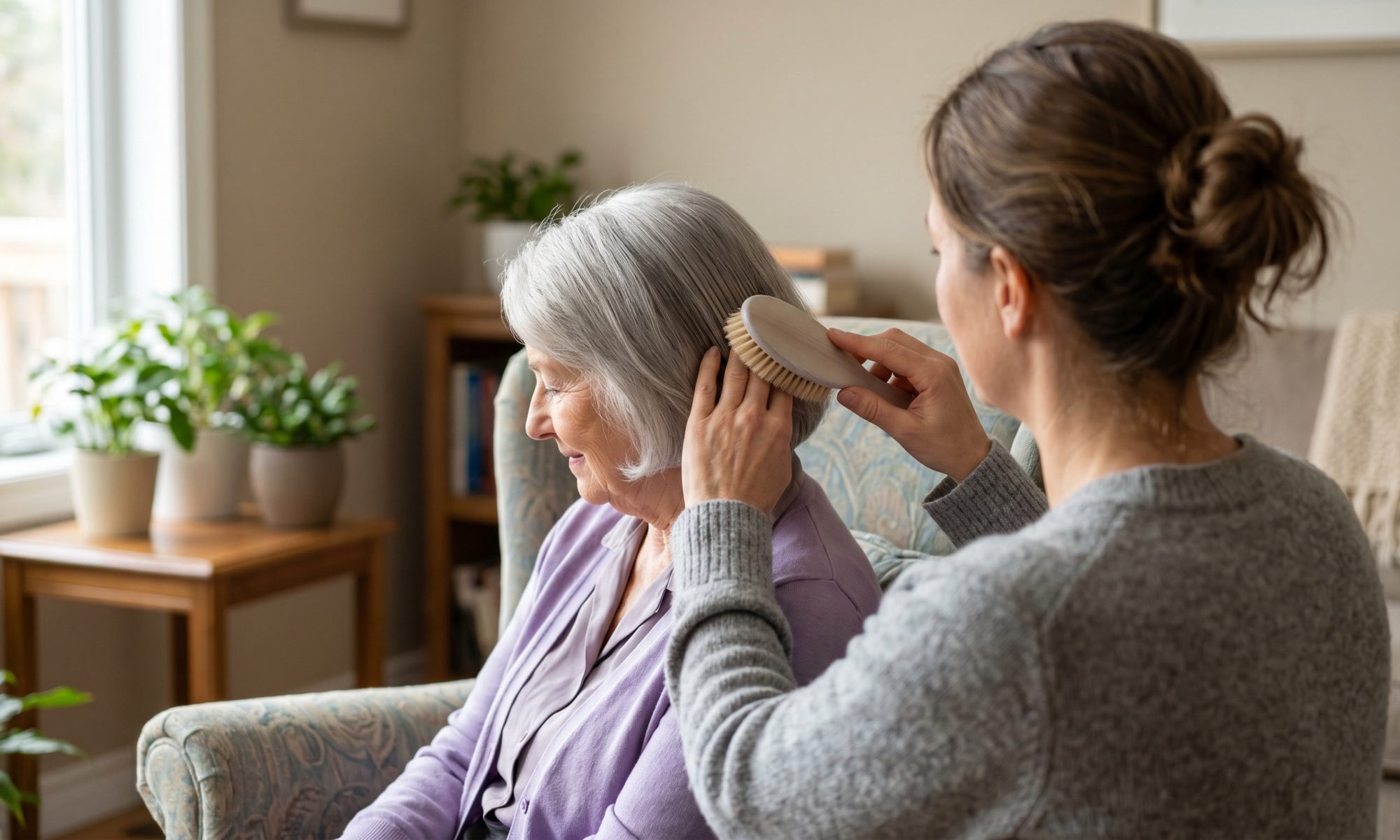
To transition a loved one smoothly from a skilled nursing facility to in-home care, the family must proactively prepare the home environment, establish a reliable daily routine, and arrange for nonmedical personal support prior to the discharge date. Taking these preparatory steps ensures your senior loved one remains safe, comfortable, and well supported while readjusting to his or her everyday living space.
How Can You Prepare the Home Environment for a Safe Return?
To ensure a safe return, families must eliminate fall hazards and organize living spaces for easy and secure navigation.
- Remove loose throw rugs, clutter, and electrical cords from all high-traffic walkways.
- Install grab bars in the bathroom and ensure adequate lighting in hallways and stairwells.
- Move essential everyday items, such as clothing and toiletries, to easily accessible lower shelves to prevent reaching or bending.
What Types of Daily Living Support Will Be Needed at Home?
Individuals returning home often require help with fundamental daily activities to maintain their personal hygiene and overall nutrition.
- Assistance with personal grooming, bathing, and dressing
- Meal planning, grocery shopping, and daily food preparation to ensure a balanced diet
- Light housekeeping, such as laundry and washing dishes, to keep the home sanitary and comfortable
If your elderly loved one needs help maintaining a high quality of life while aging in place, reach out to Assisting Hands Home Care, a trusted provider of Fort Lauderdale at-home care. Our caregivers provide meaningful companionship, transportation to and from medical appointments and social events, nutritious meal preparation, assistance with daily exercise, and help with everyday tasks like bathing, grooming, and light housekeeping.
How Should Families Manage the Emotional Readjustment Process?
Moving from a highly structured facility back home can cause unexpected anxiety, making emotional support a critical part of the transition. Maintain open communication, encourage patience, and gently reintroduce your loved one to his or her favorite hobbies and social activities. Having a dedicated companion or family member present during the first few weeks greatly reduces feelings of isolation and builds confidence.
Why Is It Important to Establish a Consistent Daily Routine?
Predictable schedules help individuals regain their sense of independence and reduce confusion during the first few weeks at home. Establishing set times for waking up, eating meals, and winding down for bed provides comforting and familiar structure. This consistency also makes it much easier for family members and professional caregivers to coordinate their visits and daily support tasks.
Living independently is important for seniors who want to maintain a high quality of life. For some, this simply means receiving help with tasks that have become more challenging to manage over time. Even when families have the best intentions, they may not have the time to provide the care their elderly loved ones need and deserve. If your loved one needs help for a few hours a day or a few days a week, reach out to Assisting Hands Home Care, a trusted provider of respite, 24-hour, and overnight home care Fort Lauderdale seniors can depend on.
Whether you need respite from your caregiving duties or your aging loved one needs the best Fort Lauderdale 24-hour home care, Assisting Hands Home Care can meet your family’s care needs. Our dedicated caregivers are available around the clock to provide transportation to doctor’s appointments, ensure seniors take their prescribed medications, and help with a variety of tasks in and outside the home. Trust Assisting Hands Home Care to provide high-quality compassionate professional care for your loved one. If your loved one needs help with the challenges of aging, call one of our compassionate Care Specialists today.
Frequently Asked Questions
How long does it take to adjust to living at home after a facility stay?
+
It typically takes a few weeks to a couple of months for an individual to fully readjust to his or her home environment. The exact timeline depends on your loved one’s personal comfort level and the amount of daily support he or she receives from family and caregivers.
What should we pack when leaving the skilled nursing facility?
+
Families should pack all personal clothing, preferred toiletries, and any administrative paperwork provided by the facility staff upon discharge. Ensure you also collect any personal comfort items, such as family photos or favorite blankets, that were brought to the facility during the stay.
Are home modifications expensive to implement before discharge?
+
Basic safety modifications, like adding nonslip mats and removing tripping hazards, are very affordable and can be done immediately. More extensive changes, such as installing wheelchair ramps or stairlifts, require a larger budget and advance planning.
How can family members avoid caregiver burnout during this transition?
+
Family members can avoid burnout by sharing responsibilities, scheduling regular personal breaks, and utilizing professional in-home caregivers for routine respite. Setting realistic expectations and joining local community support groups also helps you manage the emotional toll of providing daily care.