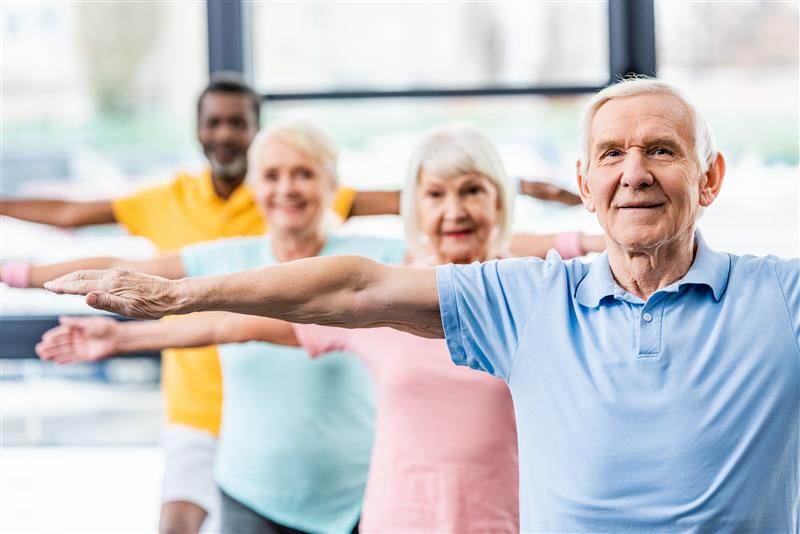
After a stroke, many seniors experience weakness, muscle stiffness, or difficulty with coordination. The right types of exercises, recommended by healthcare providers or physical therapists, can boost mobility, reduce the risk of future strokes, and restore independence.
For many families navigating this journey, Assisting Hands Home Care Fort Lauderdale has become a trusted partner, providing compassionate home care services in Fort Lauderdale. Our trained caregivers often assist seniors with gentle exercises as part of personalized care routines, making recovery feel more manageable and supportive right at home.
Let’s explore the best types of exercises for senior stroke survivors, all safe, simple, and effective.
Range of Motion Exercises

Range of motion (ROM) exercises are often the starting point for stroke survivors, especially for those experiencing stiffness or weakness on one side of the body. These exercises keep the joints flexible, increase circulation, and prevent muscle shortening (also known as contractures).
Examples include gentle arm lifts, wrist bends, and ankle rotations. For seniors receiving home care, caregivers can assist with these movements to ensure they’re done safely. Performing ROM exercises daily can help seniors maintain muscle flexibility and increase comfort during everyday tasks like dressing or eating.
Seated Leg Lifts
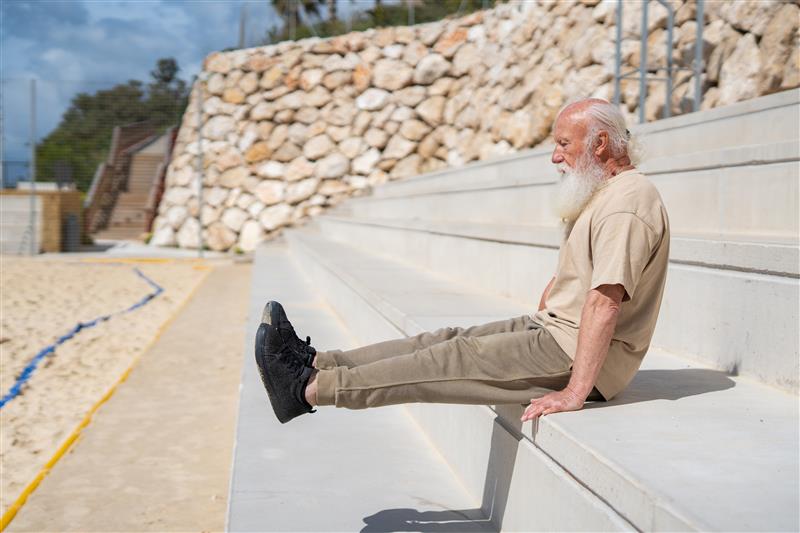
Seated leg lifts are an ideal exercise for seniors who may not yet have the strength or balance to stand for long periods. This simple exercise targets the thigh muscles (quadriceps), strengthening the legs and increasing circulation.
To perform seated leg lifts, the senior sits upright in a sturdy chair, lifts one leg slowly until it’s straightened, holds for a moment, then lowers it gently. Repeating this several times for each leg can build muscle endurance. Over time, stronger legs can lead to better walking ability and reduced fall risk.
Wrist and Hand Exercises
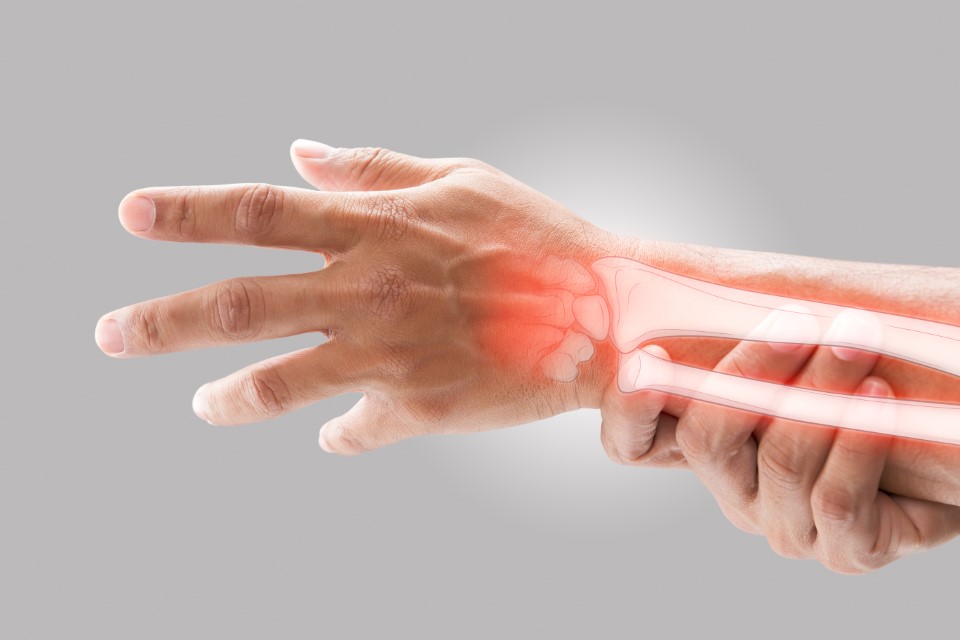
Stroke survivors often experience weakness or stiffness in their hands or wrists, which can make everyday tasks challenging. Exercises focused on the hands can increase dexterity and grip strength.
Simple activities like squeezing a soft ball, opening and closing the hand, or practicing finger taps can work wonders. Seniors can start with a few repetitions and build up gradually. These movements can be easily incorporated into daily routines, even while watching TV or sitting comfortably at home, making them both accessible and effective.
Gentle Walking (With Support if Needed)
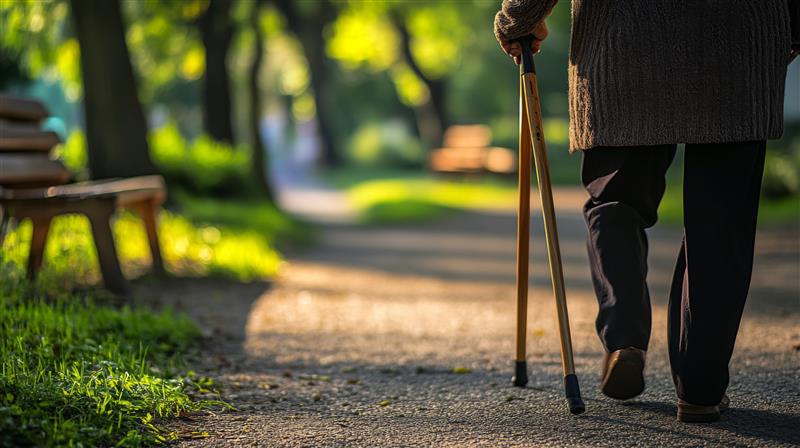
If a senior stroke survivor has regained some balance and leg strength, gentle walking is one of the most beneficial exercises. Walking promotes circulation, supports cardiovascular health, and strengthens the lower body muscles needed for mobility.
At first, walking may require assistance from a caregiver, walker, or cane. Even short walks around the house or down the driveway can be meaningful steps toward recovery. Walking regularly also contributes to mental health by providing a sense of freedom, reducing feelings of isolation or frustration during the recovery process.
Chair Yoga or Stretching
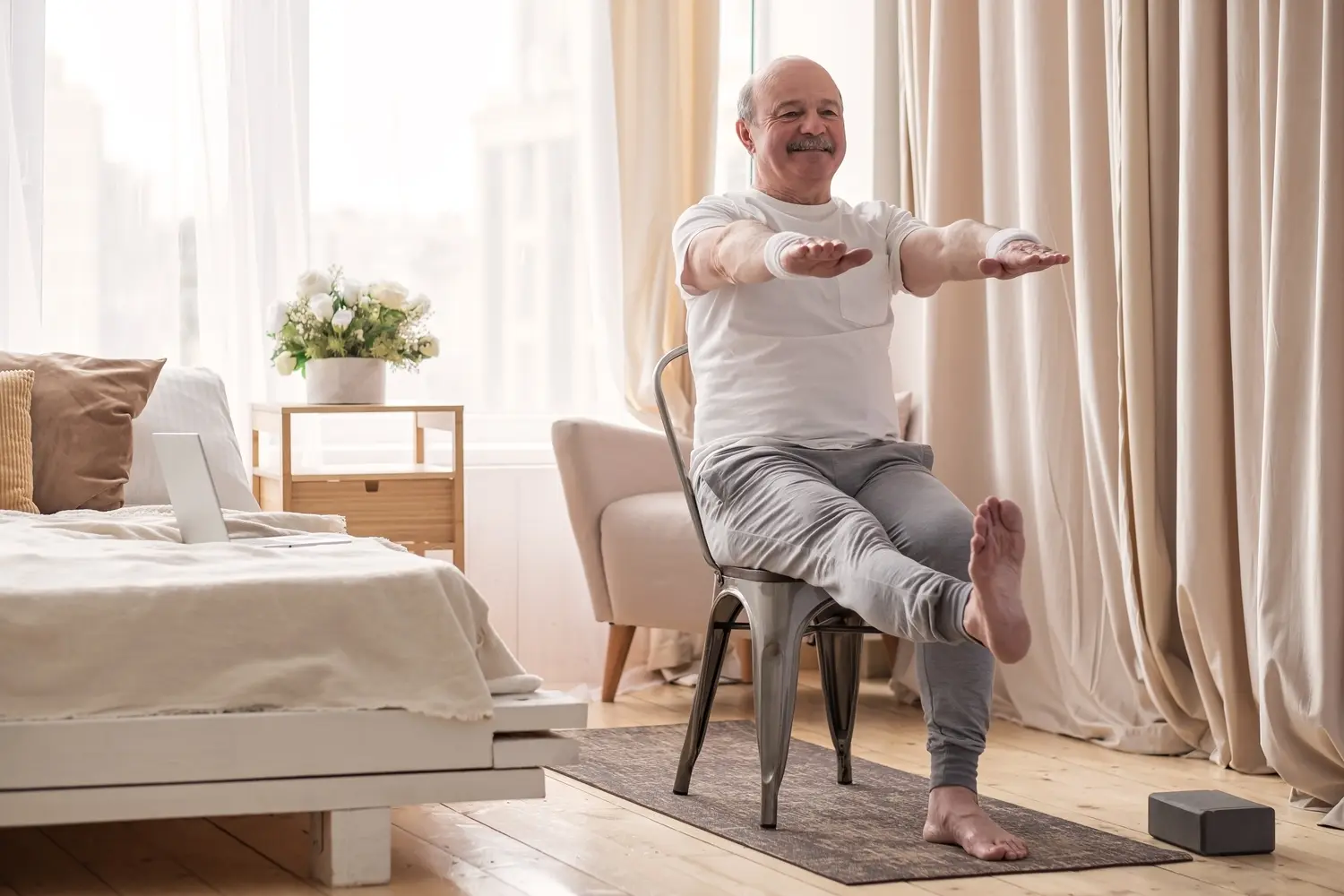
Chair yoga is an excellent low-impact exercise for seniors recovering from a stroke. These routines focus on gentle stretching, breathing exercises, and relaxation techniques, all while seated.
Chair yoga can enhance posture, increase flexibility, and reduce tension throughout the body. Many movements in chair yoga can be adapted to a senior’s abilities, and guided videos or physical therapists can lead the sessions. Stretching the arms, legs, neck, and shoulders while seated can be incredibly therapeutic for the body and mind.
Shoulder Blade Squeezes
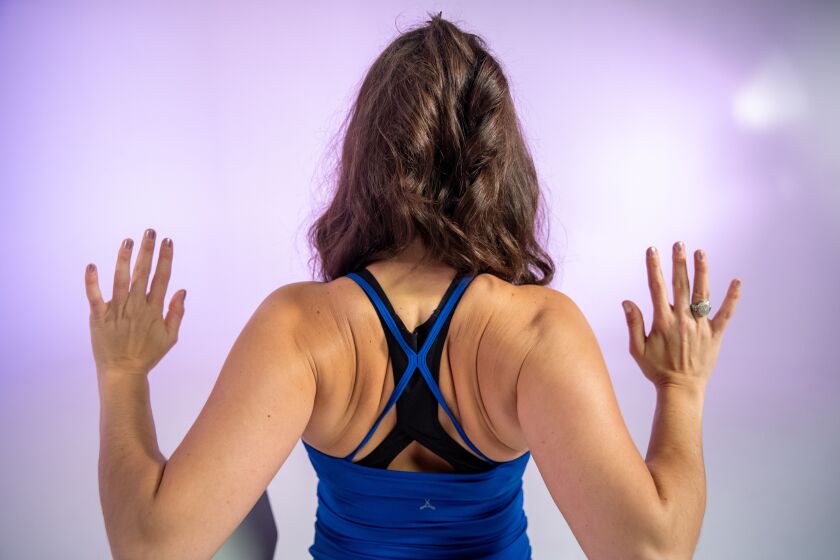
Shoulder blade squeezes are a great way to strengthen the upper back muscles and enhance posture, especially after a stroke that affects the upper body. Many stroke survivors develop a stooped posture or experience stiffness across the shoulders and upper spine.
To perform this exercise, the senior should sit upright in a chair with feet flat on the floor. Gently pull the shoulders back, squeezing the shoulder blades together like trying to hold a pencil between them. Hold for a few seconds, then relax. This movement reduces shoulder stiffness and makes daily activities like reaching or lifting easier.
Ankle Pumps
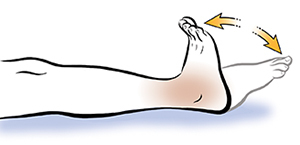
Ankle pumps are essential for stroke survivors who spend extended periods sitting or lying down, as they can prevent blood clots and increase circulation in the legs. This exercise also supports the calf muscles, which play a role in stability and balance when walking.
While seated or lying down, the senior points his or her toes away from the body, then flexes the foot to pull the toes back toward the body. Repeating this 10–15 times per session promotes healthy circulation. Caregivers can remind seniors to perform ankle pumps several times a day to prevent leg swelling and stiffness.
Balloon Blowing for Breathing Strength

Balloon blowing is a fun and simple exercise that increases lung capacity and strengthens breathing muscles—both of which may weaken after a stroke, especially if mobility is limited. Good breathing capacity also aids in speech recovery for some stroke survivors.
To do this, the senior blows into a balloon, trying to fully inflate it with slow, steady breaths. If balloons are too challenging, using a pinwheel or blowing through a straw into a cup of water with bubbles is a great alternative. These breathing exercises also have the added benefit of calming anxiety and supporting relaxation.
At-a-Glance: Exercises for Senior Stroke Survivors
| Exercise | Benefit | Helpful For |
| Range of Motion | Increases flexibility, reduces stiffness | Joints and muscles |
| Seated Leg Lifts | Strengthens thighs, improves circulation | Lower body strength |
| Wrist & Hand | Boosts dexterity, restores hand use | Fine motor control |
| Gentle Walking | Builds endurance, aids heart health | Balance and strength |
| Chair Yoga | Relieves tension, promotes flexibility | Relaxation & posture |
Frequently Asked Questions
Can seniors exercise safely after a stroke?+
Yes, but it’s important to follow a healthcare provider’s recommendations and start slowly. Gentle, supervised exercises are safest.
How often should stroke survivors exercise?+
Short sessions 2–3 times a week can build strength and flexibility. Regular movement prevents stiffness and boosts recovery.
What if a senior can’t walk yet?+
Focus on range of motion, hand exercises, and chair-based workouts until balance improves. Even small movements are helpful.
Does exercise prevent future strokes?+
Yes, physical activity boosts heart health, lowers blood pressure, and can reduce the risk of another stroke.
Can caregivers help with exercises at home?+
Absolutely. Caregivers providing in-home care in Fort Lauderdale often assist with safe, guided exercises tailored to the individual’s ability.