
In-home care provides personalized support that helps seniors recover safely and comfortably in their own homes after surgery, reducing the risk of complications and hospital readmissions. Professional caregivers assist with daily tasks, monitor health conditions, and ensure proper medication organization during the critical postoperative period. This type of care allows older adults to heal at their own pace while maintaining independence and dignity.
What Types of Post-Surgery Assistance Do In-Home Caregivers Provide?
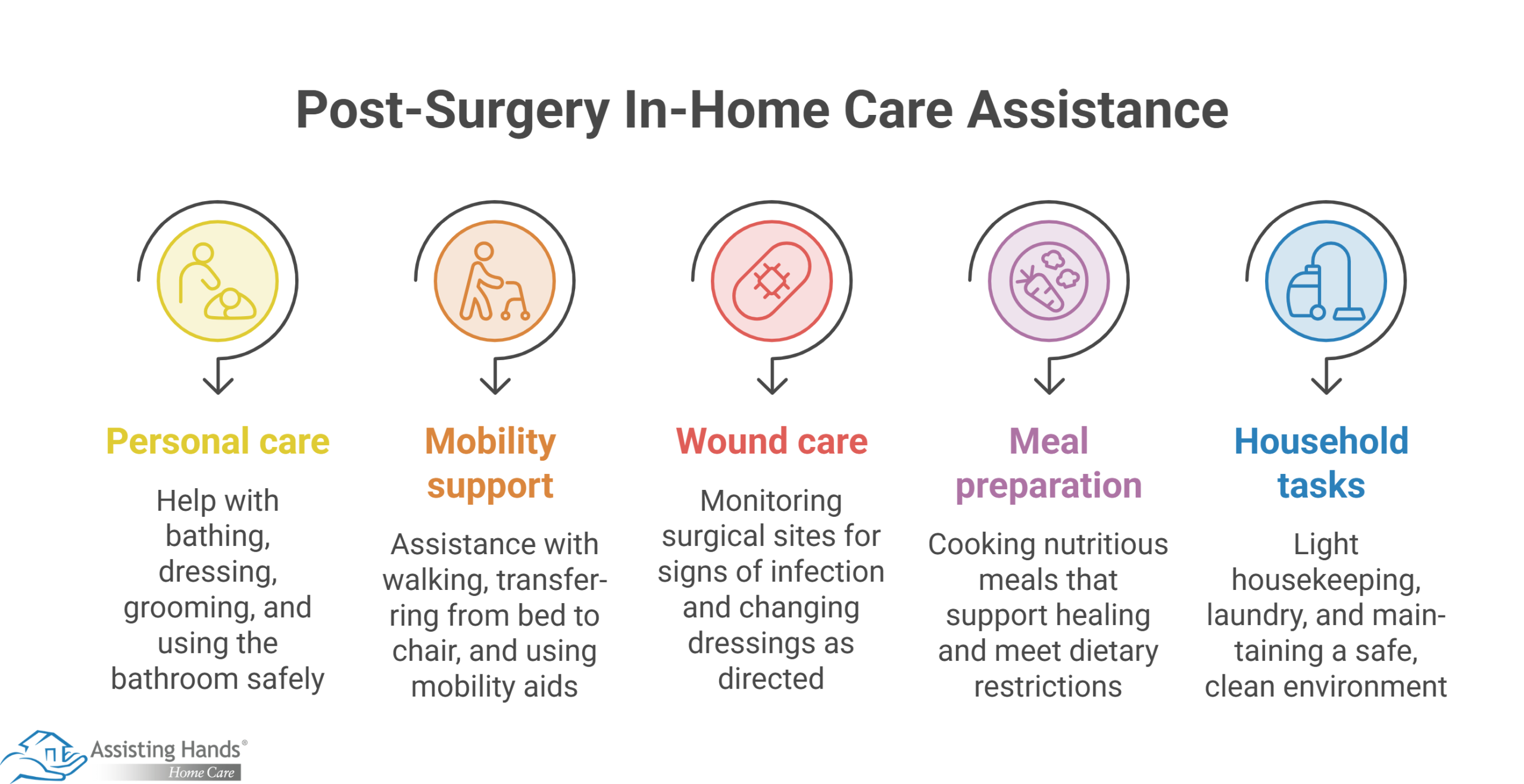
In-home caregivers offer comprehensive support tailored to each senior’s specific surgical recovery needs. Their assistance may include:
- Personal care – Help with bathing, dressing, grooming, and using the bathroom safely
- Mobility support – Assistance with walking, transferring from bed to chair, and using mobility aids
- Wound care – Monitoring surgical sites for signs of infection and changing dressings as directed
- Meal preparation – Cooking nutritious meals that support healing and meet dietary restrictions
- Household tasks – Light housekeeping, laundry, and maintaining a safe, clean environment
Caregivers also provide companionship and emotional support, which are vital for mental wellbeing during recovery.
How Does In-Home Care Reduce the Risk of Post-Surgery Complications?
Professional in-home caregivers are trained to identify warning signs that could indicate complications. They monitor vital signs, watch for symptoms like fever or unusual swelling, and can alert medical professionals immediately if concerns arise. This vigilance helps them catch potential problems early, before they become serious.
Additionally, caregivers ensure seniors follow their doctor’s postoperative instructions carefully. They can prevent falls by assisting with movement and removing household hazards. By maintaining consistent care routines, they reduce the likelihood of medication errors, missed physical therapy exercises, or neglected wound care—all factors that could delay healing or lead to hospital readmission.
Can In-Home Caregivers Help with Medication Organization after Surgery?
Yes, medication organization is one of the most important services in-home caregivers provide during postsurgical recovery. Many seniors are prescribed multiple medications after surgery, each with specific dosing schedules and potential side effects.
Caregivers can help by:
- Organizing medications and setting up pill organizers
- Providing timely reminders to take prescribed medications
- Monitoring for adverse reactions or side effects
- Keeping detailed records
- Coordinating with pharmacies for prescription refills
This level of oversight significantly reduces the risk of dangerous drug interactions or missed doses that could compromise recovery.
What Are the Benefits of Recovering at Home versus in a Facility?
Recovering at home offers several advantages over staying in a rehabilitation facility. Seniors heal in familiar surroundings, surrounded by personal belongings and memories that provide comfort. The reduced stress of being in their own environments can positively impact both physical and emotional recovery.
Home recovery also allows for more flexible, personalized care schedules. Family members can visit freely without restrictive visiting hours. Seniors maintain greater control over their daily routines, from meal choices to sleep schedules, which promotes a sense of independence and dignity during a vulnerable time.
Cost is another consideration. In-home care is often more affordable than extended stays in rehabilitation facilities, especially when only part-time assistance is needed.
Many seniors prefer aging in place over moving to assisted living facilities. If your senior loved one needs assistance to remain safe and comfortable while living at home, reach out to Assisting Hands Home Care, a leading Fort Lauderdale elderly home care agency. Our dedicated in-home caregivers can assist with meal prep, bathing and grooming, exercise, medication reminders, and many other important tasks.
How Do Families Arrange In-Home Care for Post-Surgery Recovery?
Families can arrange in-home care through several channels. Many start by contacting home care agencies that specialize in postsurgical care. These agencies conduct assessments to determine the level of care needed and match seniors with qualified caregivers.
The process typically involves:
- Initial consultation – Discussing the senior’s specific needs, surgery type, and recovery timeline
- Care plan development – Creating a customized plan that addresses care needs and daily activities
- Caregiver matching – Selecting a caregiver with appropriate skills and experience
- Coordination with healthcare providers – Ensuring the care plan aligns with the surgeon’s postoperative instructions
Some families also hire private caregivers or work with their loved ones’ hospital discharge planners to coordinate care.
For some families, caring for a senior loved one 24/7 after surgery can be overwhelming. Luckily, Fort Lauderdale families can rely on overnight care provided by the experienced professionals from Assisting Hands Home Care. We are a trusted name in senior home care, and our caregivers are available around the clock to assist seniors with bathing, transportation, medication reminders, exercise, and much more, allowing families the time they need to focus on other important responsibilities or just take a break.
Whether you need respite from your caregiving duties or your aging loved one needs top-rated Fort Lauderdale 24-hour home care, Assisting Hands Home Care can meet your family’s care needs. Our dedicated caregivers are available around the clock to provide transportation to doctor’s appointments, ensure seniors take their prescribed medications, and help with a variety of tasks in and outside the home. Assisting Hands Home Care will work with you to customize a care plan that’s just right for your loved one’s needs. Call us today to discuss how we can give you the peace of mind that comes from knowing your loved one is being cared for with professionalism and compassion.
Frequently Asked Questions
How soon after surgery can in-home care begin?
+
In-home care can begin immediately after hospital discharge, and many families arrange services before the surgery date to ensure a smooth transition home.
Is in-home care covered by insurance or Medicare?
+
Medicare and some private insurance plans cover in-home healthcare services if they’re deemed medically necessary and ordered by a physician, though coverage varies by plan and service type.
What qualifications should I look for in a post-surgery caregiver?
+
Look for caregivers with certifications, experience with postsurgical care, CPR training, and strong references from previous clients or agencies.
Can in-home caregivers provide physical therapy?
+
While basic caregivers assist with exercises prescribed by physical therapists, licensed physical therapists must be hired separately for specialized rehabilitation services.
How many hours of in-home care will my loved one need after surgery?
+
Care needs vary based on the surgery type and individual recovery progress, ranging from a few hours daily to 24-hour assistance in the initial recovery phase.