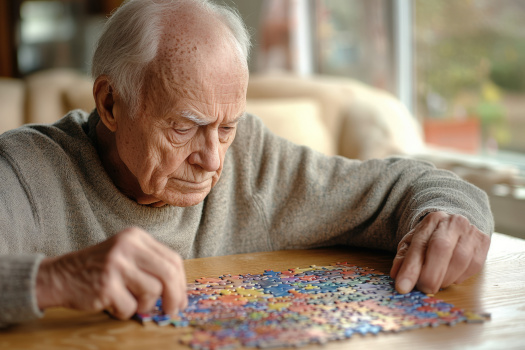
Caring for a senior loved one with dementia presents unique challenges, but creating meaningful cognitive stimulation at home can significantly enhance his or her quality of life. Research shows engaging activities can help seniors maintain mental function, reduce behavioral symptoms, and receive emotional comfort. With thoughtful planning and simple techniques, families can transform their home environments into supportive spaces that promote cognitive wellness.
Create a Structured Daily Routine
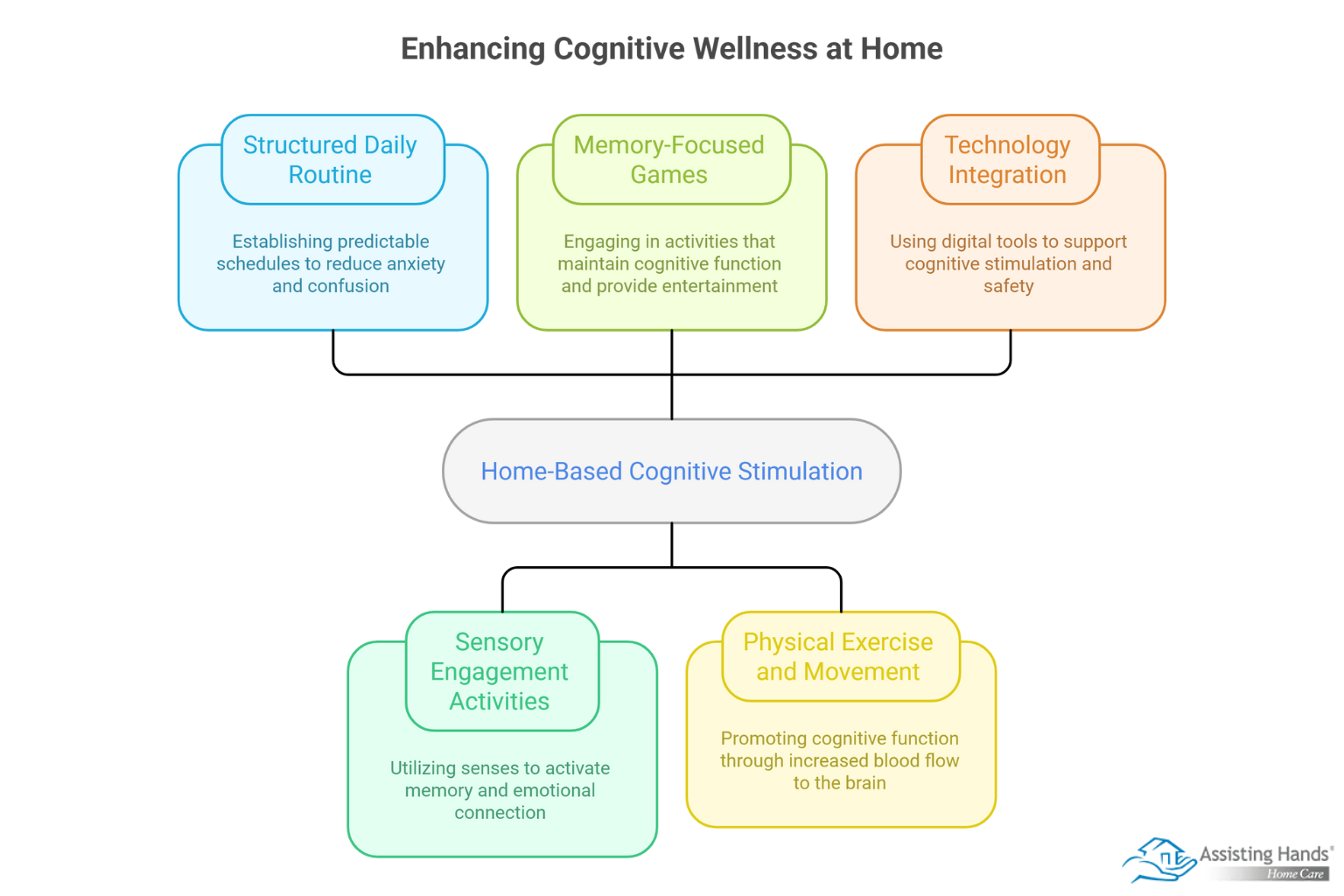
Establishing a consistent daily routine forms the foundation of effective cognitive stimulation for dementia patients. Predictable schedules reduce anxiety and confusion while providing multiple opportunities for mental engagement throughout the day. The key lies in balancing stimulating activities with periods of rest and familiar comfort.
Morning routines should begin with gentle activities that orient your loved one to time and place. Simple tasks like reading the date aloud, discussing the weather, or looking through a family photo album can activate memory and cognitive function. These activities work best when they follow the same sequence each day, creating neural pathways that become easier to access over time.
Meal preparation offers excellent opportunities for cognitive stimulation when adapted to your loved one’s abilities. Seniors in the early stages of dementia might help with simple cooking tasks, such as stirring ingredients or setting the table. Those with more advanced dementia can still participate by washing vegetables, sorting utensils, or simply observing and discussing the cooking process. The familiar smells and textures of food often trigger positive memories and emotional responses.
Evening routines should focus on calming activities that promote relaxation while still engaging the mind. Gentle music, simple puzzles, or looking through magazines can provide cognitive stimulation without overstimulation. The goal is to end each day with positive experiences that support better sleep patterns and overall well-being.
Technology can enhance routine consistency through reminder systems and activity tracking. Simple tablet apps designed for seniors can display daily schedules, provide medication reminders, and offer cognitive games appropriate for different dementia stages. However, technology should supplement, not replace, human interaction and personal connection.
Aging adults who need help managing mental and physical health issues can benefit from the assistance of highly trained professional caregivers. There are many reasons seniors might need assistance at home. Some may require regular mental stimulation due to a dementia diagnosis, while others might only need part-time assistance with exercise and basic household tasks. As a leading Home Care Fort Lauderdale provider, Assisting Hands Home Care supports families with compassionate caregivers who help seniors maintain a high quality of life
Provide Sensory Engagement Activities
Sensory stimulation plays a crucial role in cognitive function for dementia patients, as it activates multiple brain regions simultaneously. Touch, smell, sight, sound, and taste can all serve as pathways to memory and emotional connection. Creating a sensory-rich environment at home doesn’t require expensive equipment—simple household items can provide powerful stimulation.
Tactile activities using different textures help seniors maintain sensory awareness and can trigger memories associated with familiar objects. Fabric samples, smooth stones, textured balls, or even kitchen utensils can provide interesting tactile experiences. Creating a sensory box filled with various safe objects allows for exploration and discovery during quiet moments.
Aromatherapy offers another powerful tool for cognitive stimulation. Familiar scents like lavender, vanilla, or pine can evoke memories and create emotional comfort. Essential oils, scented candles, or even cooking familiar foods can fill the home with therapeutic fragrances. The olfactory system connects directly to brain areas involved in memory and emotion, making scent particularly effective for dementia patients.
Visual stimulation through art and color can maintain cognitive function while providing emotional benefits. Large-print books with vivid photographs, colorful artwork, or even simple coloring activities can engage visual processing. Digital photo frames displaying family pictures provide ongoing visual stimulation and opportunities for reminiscence and conversation.
Music therapy represents one of the most effective forms of sensory stimulation for dementia patients. Familiar songs from their youth often remain accessible even in advanced stages of the disease. Creating personalized playlists of meaningful music can boost mood, reduce agitation, and sometimes even temporarily enhance cognitive function. Singing along, clapping, or simple dancing movements add physical activity to the cognitive benefits.
Do Memory-Focused Games and Activities
Strategic memory exercises can help seniors maintain cognitive function while providing enjoyable entertainment. The key is selecting activities that match your loved one’s current abilities while still providing appropriate challenges. Games should be simplified versions of familiar activities rather than entirely new concepts.
Card games adapted for dementia patients can provide cognitive stimulation through pattern recognition, sequencing, and social interaction. Simple matching games, modified versions of Go Fish, or even just sorting cards by color or suit can engage memory and attention. The social aspect of playing with family members adds emotional benefits to the cognitive exercise.
Word games and puzzles should be adjusted to match your loved one’s cognitive abilities. Crossword puzzles with larger print and simpler clues, word searches with familiar themes, or even just naming objects in photographs can maintain language skills. The goal is success and enjoyment rather than difficulty or competition.
Reminiscence activities tap into long-term memories that often remain intact longer than recent memories. Photo albums, memory books, or collections of objects from different time periods can trigger storytelling and conversation. These activities not only stimulate memory but also provide opportunities for family members to learn about their loved one’s past experiences.
Board games designed specifically for dementia patients combine cognitive stimulation with social interaction. Many classic games have been adapted with larger pieces, simplified rules, and memory aids. The cooperative nature of these games reduces frustration while maintaining the cognitive benefits of strategic thinking and problem-solving.
A professional caregiver can be a wonderful game-playing companion for your loved one. Seniors can face a variety of challenges as they age, many of which can be mitigated with the help of professional in-home caregivers who provide high-quality elderly home care. Trust Assisting Hands Home Care to help your elderly loved one age in place safely and comfortably.
Perform Physical Exercise and Movement
Physical activity directly impacts cognitive function by increasing blood flow to the brain and promoting the release of beneficial neurotransmitters. For dementia patients, gentle exercise can be incorporated into daily routines without requiring special equipment or training. The key is finding activities that are safe, enjoyable, and appropriate for your loved one’s physical abilities.
Chair exercises provide safe movement options for seniors with mobility limitations. Simple arm circles, leg extensions, or seated marching can increase circulation and maintain muscle tone. These exercises can be done while listening to music or watching television, making them more enjoyable and easier to incorporate into daily routines.
Walking, whether indoors or outdoors, offers excellent cognitive and physical benefits. Indoor walking can follow simple patterns through the house, while outdoor walks provide additional sensory stimulation through fresh air and natural surroundings. The rhythm of walking can be calming for agitated dementia patients while providing gentle cardiovascular exercise.
Dance and movement therapy combine physical activity with cognitive stimulation through rhythm, coordination, and memory. Simple movements to familiar music can boost mood and provide gentle exercise. Even seniors with limited mobility can participate through arm movements or swaying while seated.
Gardening activities provide both physical exercise and cognitive stimulation through planning, sequencing, and sensory engagement. Indoor plants, window boxes, or small outdoor gardens can be maintained with appropriate supervision. The cyclical nature of plant care provides structure and purpose while connecting seniors with nature.
Integrate Technology for Cognitive Support
Modern technology offers innovative ways to provide cognitive stimulation for dementia patients at home. While medical alert systems primarily focus on safety, they can be part of a comprehensive approach that includes cognitive support tools. Digital devices specifically designed for seniors can provide structured activities, memory aids, and family connection opportunities.
Tablet applications designed for dementia patients offer interactive games, photo viewing, and video calling capabilities. These devices can be programmed with familiar pictures, favorite music, and simple games that adjust difficulty based on the user’s responses. The touch-screen interface is often easier for seniors to use than traditional keyboards or mice.
Voice-activated assistants can provide cognitive stimulation through conversation, music requests, and simple question-and-answer sessions. These devices can be programmed to respond to specific phrases and provide familiar information like family names, favorite songs, or daily schedules. The conversational aspect can reduce feelings of isolation while providing mental engagement.
Digital photo frames displaying rotating family pictures provide ongoing visual stimulation and conversation starters. These devices can be remotely updated by family members, ensuring fresh content and maintaining family connections. The familiar faces and places in photos often trigger positive memories and emotional responses.
Safety monitoring technology, including medical alert systems, can provide peace of mind for families while allowing seniors to maintain independence. Modern systems offer fall detection, GPS tracking, and two-way communication capabilities. This safety net enables families to provide more freedom for cognitive stimulation activities while ensuring help is available when needed.
Aging in place can present a few challenges for seniors living with dementia. However, they can still live independently at home with the help of professional dementia care Fort Lauderdale. Families can rely on Assisting Hands Home Care to provide their elderly loved ones with mental and social stimulation, timely medication reminders, assistance with meal prep, and much more. Our caregivers are available around the clock to help your loved one live a happier and healthier life. For compassionate, reliable in-home care, trust the experienced professionals from Assisting Hands Home Care. Reach out to one of our dedicated Care Specialists today to learn about the high quality of our in-home care services.