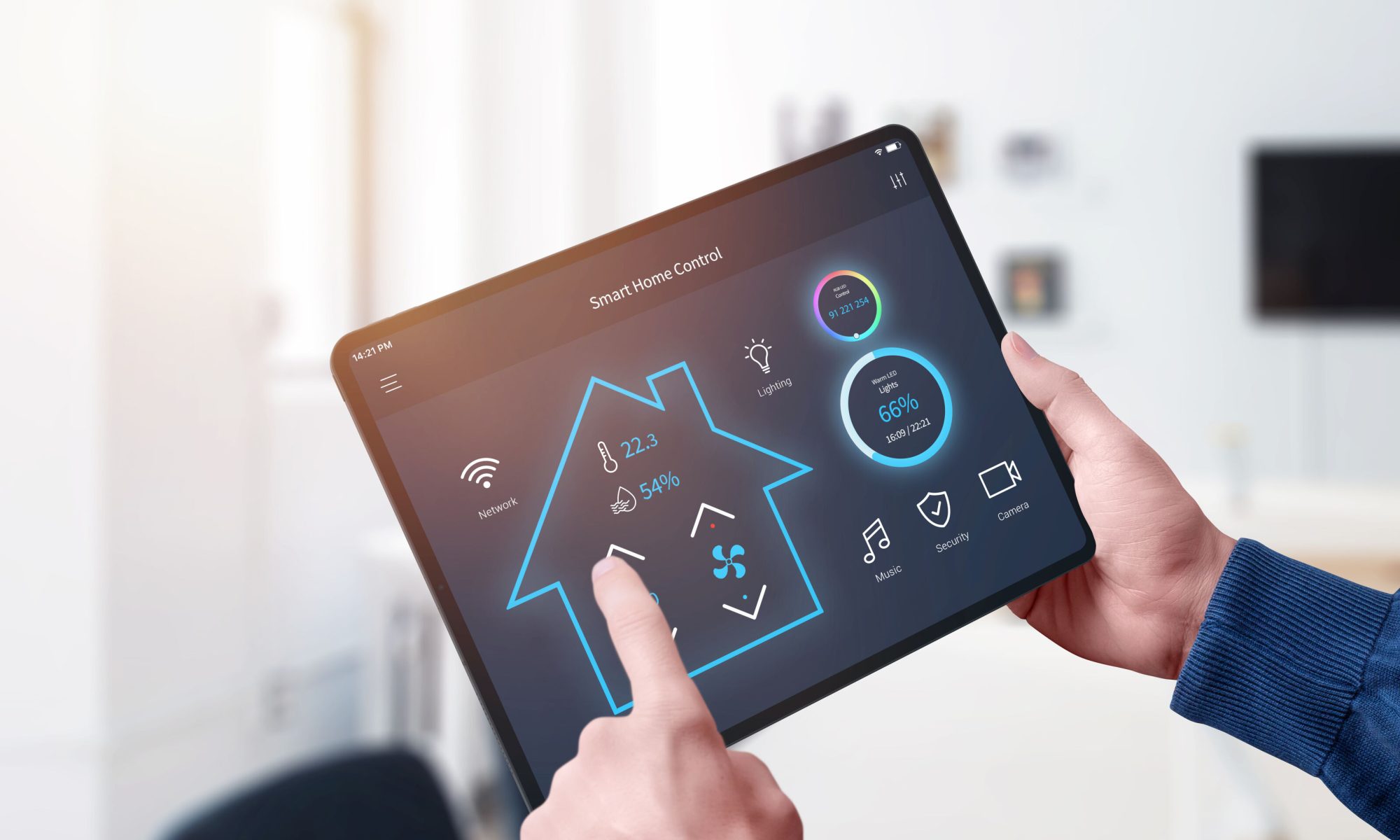
Technology is revolutionizing how we approach dementia care, offering innovative solutions to support both seniors and caregivers. From smart monitoring systems to memory-aid applications, these digital tools are creating safer, more comfortable environments for those living with dementia. Modern technology provides practical ways to enhance quality of life while reducing the challenges that come with caring for someone with cognitive decline.
Smart Home Systems for Safety and Independence
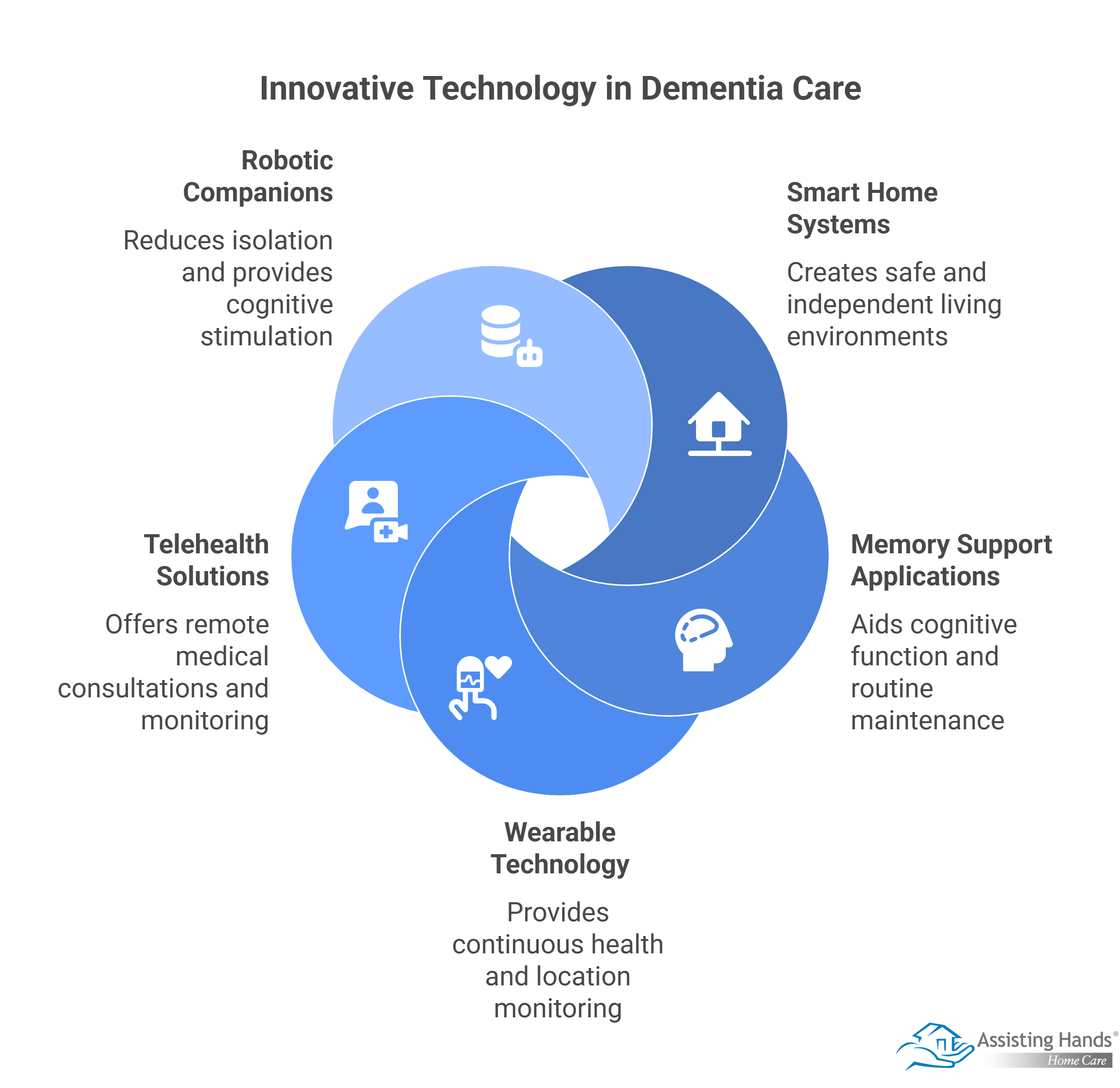
Smart home technology creates protective environments that allow people with dementia to maintain independence longer. These systems can monitor daily activities and alert caregivers to potential problems without being intrusive.
Key smart home features include:
- Motion sensors that track movement patterns and detect falls
- Smart locks that prevent wandering while allowing authorized access
- Automated lighting systems that reduce confusion during nighttime hours
- Voice-activated assistants that provide reminders and answer basic questions
- Temperature controls that maintain comfortable living conditions
These technologies work together to create a safety net that supports independence while providing peace of mind for family members and professional caregivers.
There are a variety of age-related health conditions that can make it more challenging for seniors to live independently. However, many of the challenges they face can be easier to address if their families opt for professional hourly home care service. You can rely on expertly trained caregivers to keep your loved one safe and comfortable while aging in place.
Memory Support Applications and Digital Tools
Specialized apps and digital platforms help people with dementia maintain cognitive function and stay connected with their routines. These tools are designed with simplified interfaces that accommodate limited technical skills.
Popular memory support tools include:
- Reminder apps for medications, appointments, and daily tasks
- Photo albums with voice recordings from family members
- Simple games designed to stimulate cognitive function
- Calendar applications with large, clear displays
- Music streaming services that play familiar songs from the past
These digital aids can boost cognitive health by keeping the brain engaged while providing structure and familiarity in daily life.
Wearable Technology for Monitoring and Communication
Wearable devices offer continuous monitoring capabilities that track health metrics and location information. These tools are particularly valuable for people who experience wandering or have difficulty communicating their needs.
Effective wearable solutions include:
- GPS tracking devices disguised as watches or jewelry
- Health monitors that track heart rate, sleep patterns, and activity levels
- Emergency alert systems with one-touch communication to caregivers
- Smart clothing with built-in sensors for fall detection
- Medication reminder devices worn as accessories
Wearables provide real-time information that helps caregivers respond quickly to changes in condition or emergency situations.
Caring for seniors with dementia can be challenging for family caregivers. Luckily, there is dementia care Fort Lauderdale families can rely on. Professional dementia caregivers help seniors with dementia stay safe and comfortable at home by preventing wandering, providing cognitive stimulation, and assisting with household chores.
Telehealth and Remote Care Solutions
Telehealth technology connects dementia patients with healthcare providers without requiring stressful trips to medical facilities. This approach is especially beneficial for people who become agitated in unfamiliar environments.
Remote care benefits include:
- Virtual consultations that reduce travel and waiting room anxiety
- Remote monitoring of vital signs and medication compliance
- Digital cognitive assessments that track progression over time
- Family consultations that include distant relatives in care decisions
- Access to specialists who might not be available locally
These remote solutions ensure consistent medical care while minimizing disruption to established routines.
Robotic Companions and Interactive Technology
Social robots and interactive devices provide companionship and engagement for people with dementia. These technologies can reduce isolation and provide cognitive stimulation through conversation and activities.
Interactive technology options include:
- Therapeutic robots that respond to touch and voice
- Video calling systems with simplified interfaces for family contact
- Interactive projectors that create calming environments
- Tablet-based activities designed for cognitive stimulation
- Virtual reality experiences that transport users to familiar places
These companion technologies address emotional and social needs, which is crucial for maintaining quality of life in dementia care.
Technology can enhance safety and quality of life for seniors with dementia, and so can having a trained caregiver close by. Seniors can face a variety of challenges as they age, many of which can be mitigated with the help of professional in-home caregivers who provide high-quality Home Care Fort Lauderdale. Families trust Assisting Hands Home Care to help their elderly loved ones age in place safely and comfortably. To learn about our quality-assured services, give us a call today.