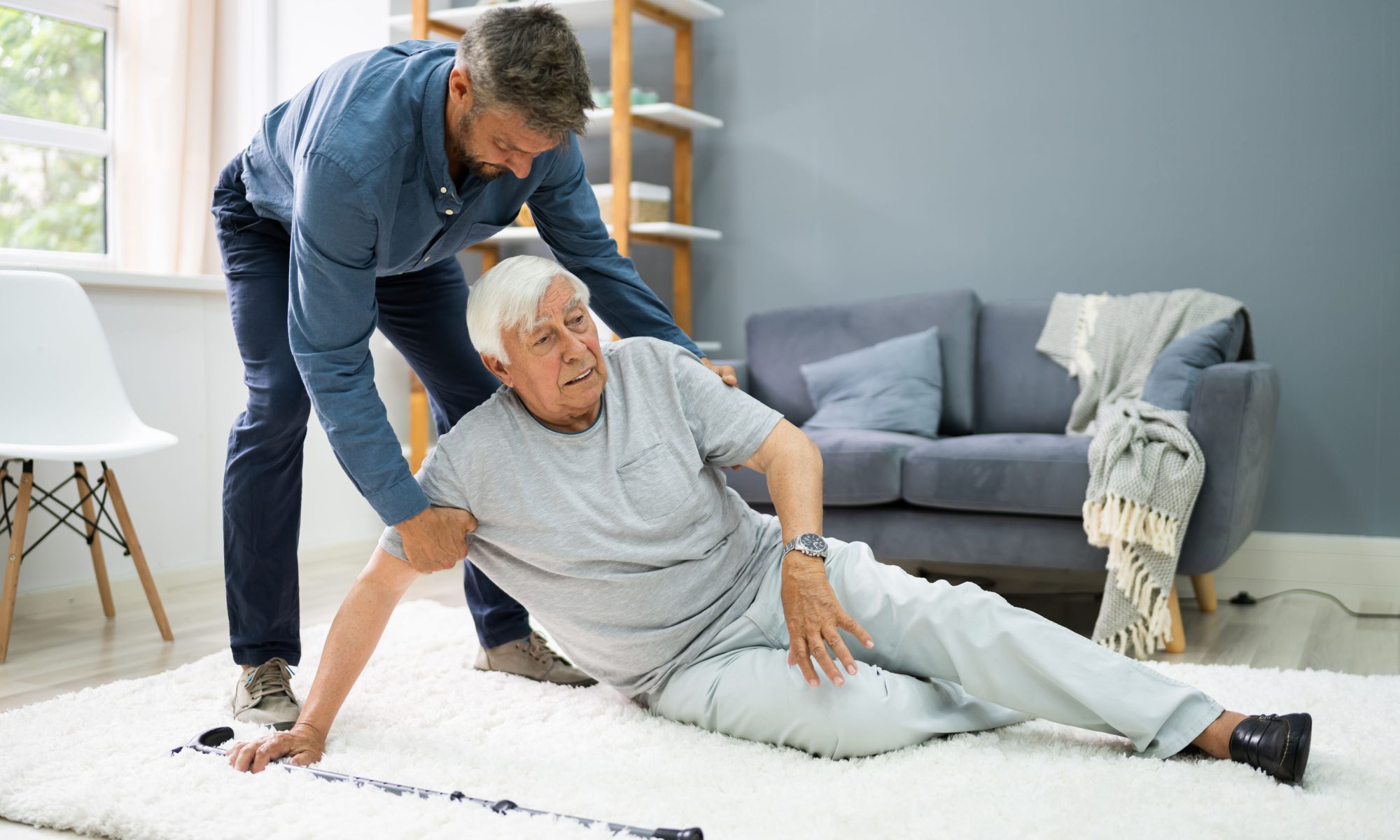
Fall-detection technology uses sensors to automatically detect when a person falls and alerts family members or caregivers, often without any action needed from the person who fell. For families supporting aging loved ones at home, it offers faster response times and greater peace of mind.
Falls are one of the biggest safety concerns for older adults living independently. Fall-detection technology aims to close the gap between a fall and a response, allowing families to feel more confident that help is only moments away. Here’s what you need to know before choosing a system.
How Does Fall-Detection Technology Work?
Fall-detection systems rely on sensors that recognize the sudden movement and impact of a fall. When a fall is detected, the device automatically sends an alert to a designated contact or monitoring center.
Most systems use one or more of the following:
- Accelerometers and gyroscopes – These measure sudden changes in motion, speed, and body position.
- Wearable devices – Pendants, wristbands, or clip-on sensors can travel with your loved one throughout the day.
- Ambient sensors – Wall- or ceiling-mounted devices can monitor movement in a room without requiring anything to be worn.
- Automatic alerts – Once a fall is confirmed, the system contacts family, caregivers, or a response center even if your loved one is unable to press a button.
Hiring a professional caregiver is another way to reduce your loved one’s risk of fall-related injuries. Many older adults are choosing to age in place, and some need a helping hand to continue living at home safely and comfortably. Luckily, there is professional homecare services Fort Lauderdale seniors can trust and rely on.
What Are the Different Types of Fall-Detection Devices?
Families can choose from several formats depending on lifestyle and comfort:
- Wearables – Lightweight and portable, ideal for active individuals who move between rooms or leave the home
- In-home sensor systems – Fixed sensors placed around the house, useful for people who prefer not to wear a device
- Smartphone and smartwatch apps – Built-in fall detection on some consumer devices, best suited to tech-comfortable users
- Hybrid systems – Combine wearables with home sensors for broader coverage
How Accurate Is Fall-Detection Technology?
No system is perfect, but accuracy has improved significantly with better sensors and smarter software. Two factors matter most:
- False positives – A device may mistake a quick sit-down or dropped object for a fall.
- Missed falls – Slow slides to the floor can be harder for sensors to catch than sudden impacts.
Newer systems use machine learning to tell the difference between everyday movements and genuine falls, reducing unnecessary alerts over time.
What Should Families Consider before Choosing a System?
The right choice depends on your loved one’s daily habits and preferences. Keep these factors in mind:
- Comfort – Will your loved one consistently wear a device, or is a sensor-based system a better fit?
- Coverage – Does it work outside the home or only within range of a base unit?
- Battery life – How often does the device need charging, and does it warn you when power is low?
- Alerts – Who gets notified, and how quickly can they respond?
- Cost – Consider up-front device costs alongside any monthly monitoring fees.
A trained caregiver can be a fantastic resource for family members with loved ones living in southeastern Florida, especially during the nighttime hours. At Assisting Hands Home Care, our Fort Lauderdale overnight home care services address a full range of needs, including personal care, mobility assistance, toileting, and repositioning. Caregivers also provide fall prevention monitoring, medical equipment support, and emotional reassurance for clients who experience nighttime anxiety or disorientation. Services are available on an occasional or ongoing basis and can be coordinated with flexible hourly daytime care for continuous around-the-clock support.
How Can Families Get Started with Fall-Detection Technology?
Start by having an open conversation with your loved one about his or her comfort level and independence. From there:
- Assess your loved one’s daily routine and where falls are most likely to happen.
- Compare a few systems side by side, weighing comfort, coverage, and cost.
- Test the device together during the first week to build confidence.
- Update emergency contacts and confirm everyone knows how alerts work.
Certain age-related conditions can make it more challenging for seniors to age in place safely and comfortably, but Fort Lauderdale 24-hour home care experts are available around the clock to help seniors manage their health. Whether your loved one is living with dementia or recovering from a stroke, you can trust the professional caregivers from Assisting Hands Home Care to enhance his or her quality of life. At Assisting Hands Home Care, we take measures to help seniors prevent illness and injury by assisting with exercise and mobility, preparing nutritious meals, helping with bathing and other personal hygiene tasks, and much more. Call one of our Care Specialists today to learn about our customized in-home care plans.
Frequently Asked Questions
Do fall-detection devices require pressing a button?
+
No. Automatic fall-detection devices send alerts on their own when a fall is detected, which is helpful if your loved one is disoriented or unable to move.
Can fall-detection technology be used outside the home?
+
Yes. Many wearable devices use cellular or GPS connectivity, so they work in the yard, on walks, or while running errands.
Will fall-detection devices work without Wi-Fi?
+
Some do. Cellular-based and GPS-enabled devices function without home internet, while others require a Wi-Fi connection to send alerts.
How often do fall-detection devices need charging?
+
Battery life varies by device. Wearables often need charging every one to several days, while many in-home sensor systems run continuously on power.
Are fall-detection systems difficult to set up?
+
Most modern systems are designed for easy setup, with plug-in base units or app-guided installation families can complete in minutes.