You can use technology to provide home care for a senior loved one with dementia by utilizing smart home sensors, GPS wearables, and automated monitoring systems to ensure his or her safety while maintaining his or her independence. These tools serve as a support system for caregivers, reducing the constant need for direct supervision and alerting family members to potential emergencies immediately. By integrating these devices into the home, you create a safer environment that adapts to the progressive needs of memory care.
How Can Smart Cameras and Sensors Keep My Loved One Safe?
Smart home sensors and cameras allow you to monitor your loved one’s movements without needing to be in the same room. Strategically placed motion sensors can detect inactivity, which might indicate a fall or a health issue, and send an alert to your smartphone. Door contact sensors are particularly useful for those prone to wandering. If an exterior door opens during the night, you receive an instant notification so you can intervene before your loved one leaves the safety of the home.
There are a variety of age-related health conditions that can make it more challenging for seniors in southeastern Florida to live independently. However, many of the challenges they face can be easier to manage if their families opt for professional Fort Lauderdale Home Care. Families can rely on expertly trained caregivers to keep their loved ones safe and comfortable while aging in place.
How Do GPS Trackers Prevent Wandering?
GPS tracking devices, often worn as watches, pendants, or insoles, provide real-time location data to help you quickly find a loved one who has become confused and wandered away. These devices are essential because wandering can happen quickly and unpredictably, even in the early stages of dementia.
- Geofencing – Most trackers allow you to set “safe zones.” If the wearer crosses this virtual boundary, you’re alerted immediately.
- Location history – Some apps show breadcrumb trails of where the person has been, helping you understand his or her habits.
- Two-way communication – Many trackers include a button that allows wearers to call a caregiver if they feel lost or scared.
Caring for seniors with dementia can be challenging for family caregivers. Luckily, there is dementia care Fort Lauderdale families can rely on. Professional dementia caregivers help seniors with dementia stay safe and comfortable at home by preventing wandering, providing cognitive stimulation, and assisting with household chores.
How Can Automated Dispensers Manage Medication?
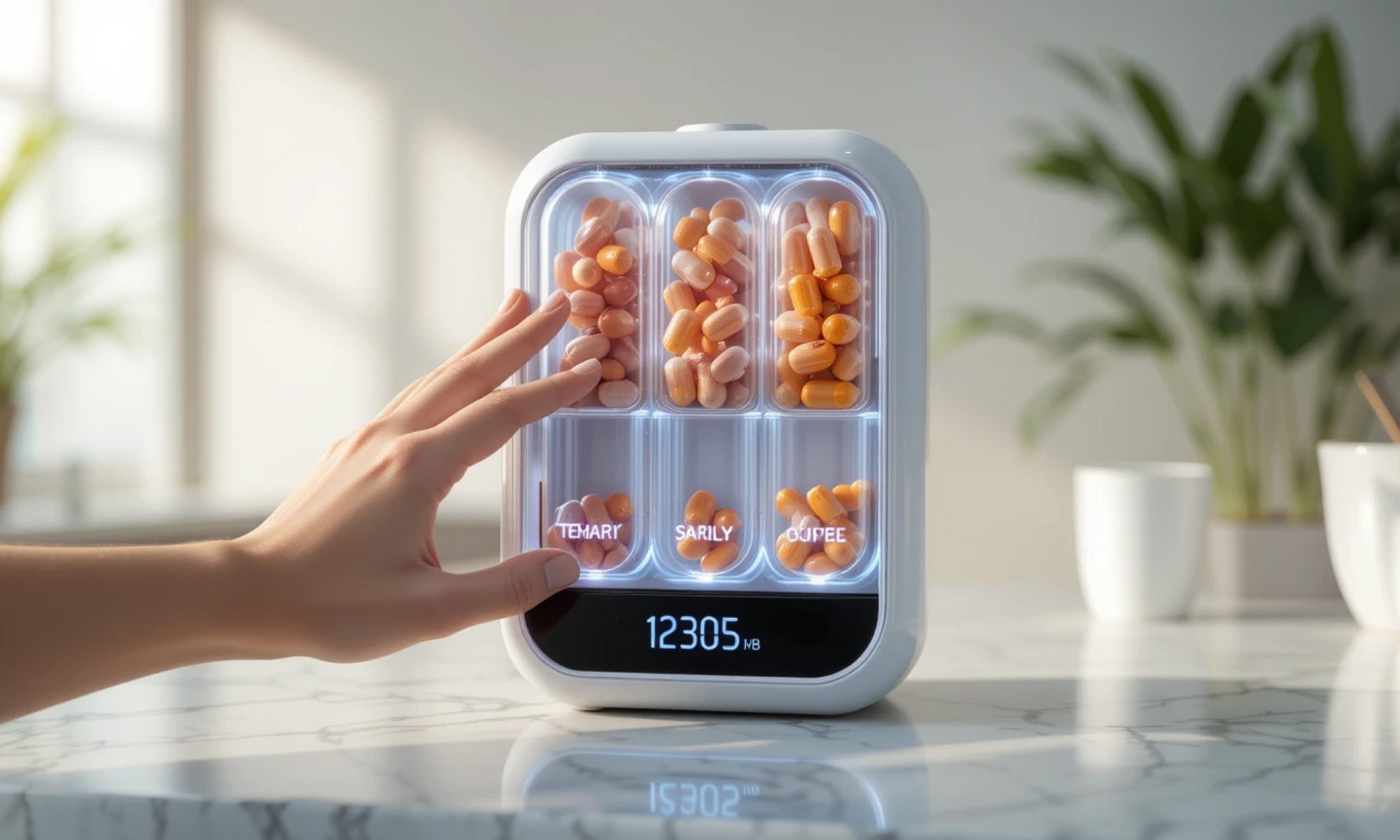
Automated medication dispensers prevent missed doses and accidental overdoses by locking away pills until the scheduled time. Managing a complex medication schedule is often one of the first challenges for someone with dementia, leading to health risks. These devices emit auditory alarms or flashing lights when it’s time to take pills, and some will even notify the caregiver via an app if a dose is missed. This ensures adherence to medical routines without the caregiver needing to be present for every single dose.
How Do Digital Assistants Help with Memory Loss?
Voice-activated digital assistants like Amazon Alexa or Google Home act as tireless aides that can answer repetitive questions without frustration. You can program these devices to play calming music, give verbal reminders for appointments, or prompt your loved one to drink water and eat lunch. They also facilitate drop-in video calls, making it easier for family members to check in face-to-face without the senior needing to navigate complex phone menus or buttons.
How Can Smart Lighting Enhance Daily Routines?
Smart lighting systems can regulate sleep patterns by automatically adjusting brightness and color temperature based on the time of day, mimicking natural circadian rhythms. This is particularly helpful in reducing “sundowning,” a symptom where confusion and agitation increase in the late afternoon and evening. Additionally, motion-activated night lights can automatically illuminate the path to the bathroom, significantly reducing the risk of falls during the night when disorientation is most common.
Technology can enhance safety and quality of life for seniors with dementia, and so can having a trained caregiver close by. Certain age-related conditions can make it more challenging for older adults to age in place safely and comfortably, but experts in 24-hour home care for Fort Lauderdale seniors are available around the clock to help aging adults manage their health. Whether your loved one is living with dementia or recovering from a stroke, you can trust the professional caregivers from Assisting Hands Home Care to enhance his or her quality of life. If you need professional care for your loved one, reach out to one of our Care Specialists today.
Frequently Asked Questions
Is smart home technology expensive to install?
+
While comprehensive systems can be pricey, many effective individual tools like door sensors or simple medication reminders are available for under $50.
Will the technology confuse or agitate my loved one?
+
Passive technology that requires no interaction from the user, such as wall sensors or automatic lights, is best to avoid confusion or agitation.
What happens if the Wi-Fi goes out?
+
Most critical safety devices, such as medical alert systems and GPS trackers, use cellular data as a backup to ensure they function during internet outages.
Can I install these devices myself?
+
Yes, most modern smart home devices are designed for DIY installation and simply require a smartphone and a standard Wi-Fi connection to set up.
Is it an invasion of privacy to use cameras?
+
While safety is the priority, it’s best to place cameras in common areas like living rooms and kitchens rather than bathrooms or bedrooms to respect dignity.